
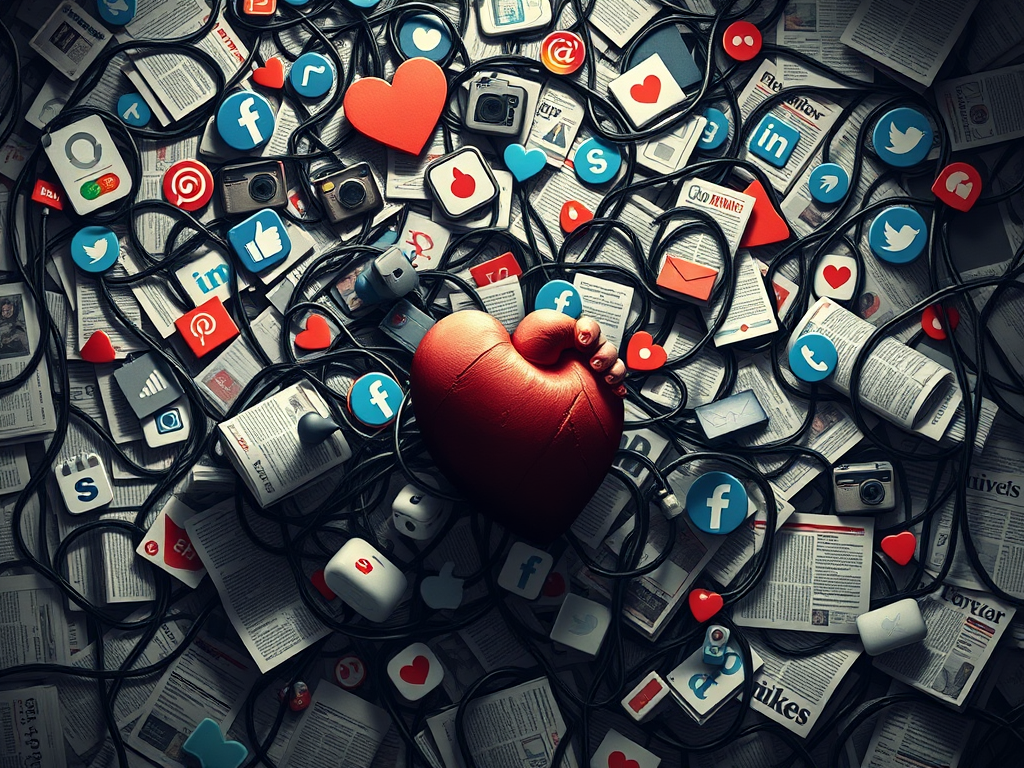
Fake news isn’t just bad information—it’s a business model. It feeds on outrage, fear, tribal loyalty, and speed. Its goal is rarely truth; it’s clicks, likes, shares, ad revenue, and notoriety. And the fastest way to kill it is to starve it.
Let’s call it what it is, learn how to spot it instantly, and stop rewarding those who profit from deception.
What Fake News Actually Is (and Isn’t)
Fake news generally falls into four buckets:
- Fabricated stories
Entirely made up events, quotes, or data. - Distorted or misleading content
A real event twisted through selective facts, cropped quotes, or missing context. - Clickbait exaggeration
Headlines that wildly overstate what the article actually says. - Agenda-driven misinformation
Content designed to push a political, ideological, religious, or commercial agenda—truth optional.
Importantly, fake news is not:
- Honest mistakes later corrected
- Good-faith opinion pieces (even if you disagree)
- Satire that is clearly labeled as such
Intent matters.
Tell-Tale Signs You’re Reading Fake or Clickbait News
Here’s your red-flag checklist. One flag doesn’t always condemn a piece—but several together? Walk away.
1. The Headline Hijacks Your Emotions
If the headline is designed to make you angry, afraid, or smug, pause.
Common tricks:
- “You Won’t Believe…”
- “This Changes Everything”
- “They Don’t Want You to Know”
- “Shocking Truth About…”
Truth doesn’t need adrenaline.
2. No Verifiable Sources
Legitimate journalism names:
- Real people
- Recognized institutions
- Original documents
- Direct quotes with context
Fake news leans on:
- “Experts say…”
- “Sources claim…”
- “Many are saying…”
If you can’t trace the information, it’s smoke.
3. One Screenshot = “Proof”
Screenshots are easy to fabricate and impossible to verify without context.
Ask:
- Where did this originate?
- Is there a primary source?
- Can I find the same claim reported elsewhere?
If not, it’s gossip in digital clothing.
4. Sloppy Writing and Bad Grammar
Real outlets have editors. Fake news often doesn’t.
Watch for:
- ALL CAPS
- Excessive emojis
- Typos and broken formatting
- Rambling, emotional language instead of clear structure
Carelessness is a credibility leak.
5. It Confirms Exactly What You Already Believe
This is the most dangerous sign—because it feels good.
Fake news thrives on confirmation bias. If a story perfectly flatters your worldview and vilifies “the other side,” double your skepticism, not your confidence.
Truth often complicates our beliefs; lies simplify them.
6. The Outlet Is Unknown—or Imitating a Known One
Fake sites love names that sound legit:
- “Global Daily Report”
- “Patriot News Network”
- “World News Journal”
Look closely at the URL and the “About” page. No address, no editors, no accountability? That’s not journalism—it’s a content mill.
Why Sharing Fake News Is So Harmful
Even when shared “innocently,” fake news:
- Undermines public trust
- Polarizes communities
- Drowns out real reporting
- Rewards deception with attention
Every share is a vote. And attention is currency.
How We Kill Fake News at the Source
1. Don’t Share It—Even to “Debunk” It
Outrage sharing still boosts visibility.
If you must correct it, link to credible reporting, not the original lie.
2. Unfollow and Unsubscribe—Deliberately
This matters.
When purveyors of fake news lose followers:
- Their reach shrinks
- Their influence fades
- Their incentive collapses
Quietly unfollowing is powerful. It sends a signal without amplifying the nonsense.
3. Support Real Journalism
Truth costs money.
Subscribe to:
- Reputable newspapers
- Investigative outlets
- Journalists with transparent track records
You get what you fund.
4. Slow Down
Fake news wins by speed. Truth wins by patience.
Before sharing:
- Read past the headline
- Check one other source
- Ask: Is this verifiable?
Ten seconds of restraint can stop a thousand lies.
So Who Can Be Trusted?
Trust isn’t about perfection—it’s about patterns.
Signs of Trustworthy Sources:
- They correct mistakes publicly
- They cite primary sources
- They separate news from opinion
- They publish stories that challenge their own audience
- They avoid sensational headlines
Look for journalists and outlets who lose followers when the truth is inconvenient. That’s often a good sign.
A Final Word: Starve the Beast
Fake news survives on attention, outrage, and tribal loyalty. Take those away and it withers.
Unfollow.
Don’t share.
Reward credibility.
Choose patience over panic.
Truth doesn’t shout—but it lasts.
And if enough of us stop feeding clickbait, likes, and notoriety, the marketplace for lies collapses under its own emptiness.
That’s how we win.

Leave a Reply