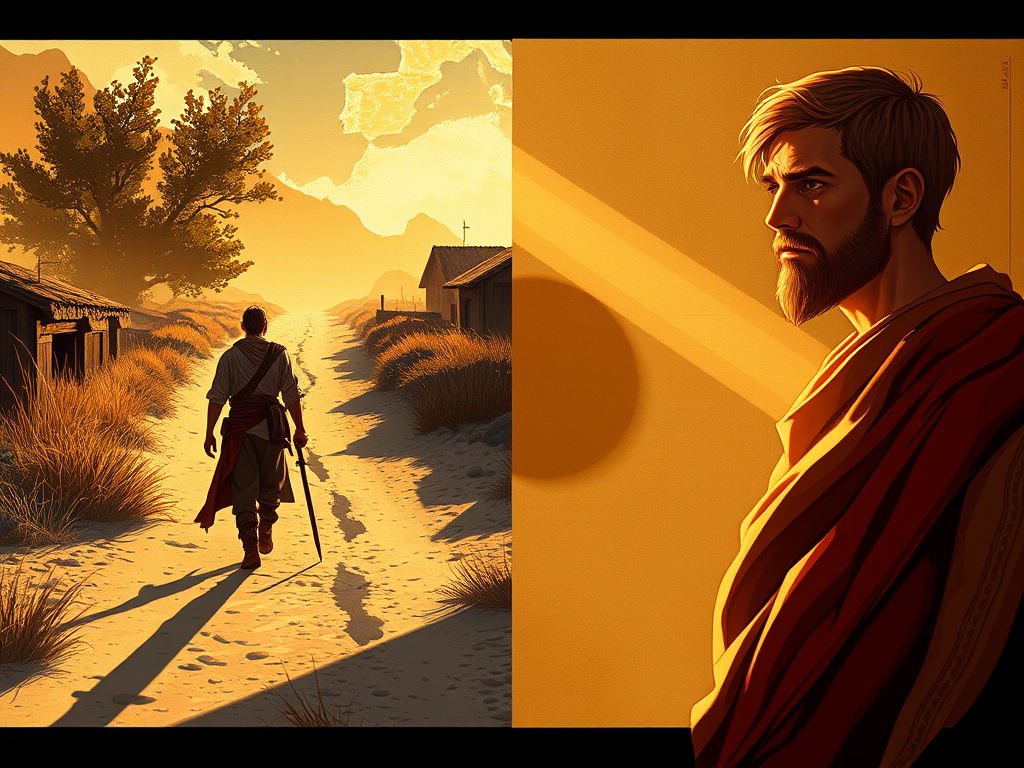
What Philemon and the Prodigal Son Teach Us About Reconciliation
Some stories speak across time because they reveal something essential about the human condition—and something even more essential about the heart of God. The stories of Onesimus and Philemon (a real pastoral situation) and the Father and the Prodigal Son (a parable) come from different genres, but they share a striking narrative shape. Both begin with a rupture, move through transformation, and end with a reconciliation that defies social logic.
A Story of Flight
Onesimus runs away from Philemon, leaving behind debt, dishonor, and relational fracture. The prodigal son leaves home with his inheritance, treating his father as if he were already dead.
Both departures are acts of rebellion. Both create wounds. Both leave a trail of loss.
A Story of Transformation
Onesimus encounters Paul in prison and becomes a believer. The prodigal encounters his own emptiness in the far country and “comes to himself.”
Transformation happens in unlikely places—prison cells and pigsties. Grace often begins where self-sufficiency ends.
A Story of Mediation
Paul steps in as a mediator, appealing to Philemon’s love and urging him to receive Onesimus “no longer as a slave, but as a beloved brother.” The father becomes his own mediator, running to the son before the village can shame him, restoring him with robe, ring, and feast.
In both stories, reconciliation requires someone to absorb the cost.
A Story of Restored Identity
Onesimus returns not as property but as family. The prodigal returns not as a hired servant but as a son.
Grace does not merely forgive—it redefines.
Why These Stories Matter Today
We live in a world that cancels, punishes, and divides. But these stories show us a different way:
- a way of costly forgiveness,
- a way of restored dignity,
- a way of relationships healed through love.
They invite us to imagine what communities could look like if we treated one another not according to past failures but according to the new identity grace makes possible.
If I may ask…
Where do you see yourself in these stories—Onesimus, Philemon, the prodigal, or the older brother?
What makes reconciliation difficult in real relationships today?
How does the gospel reshape our identity and our relationships?
What does it look like to “receive someone as a beloved brother or sister” in your community?
How can we cultivate a culture of celebration rather than suspicion when someone returns or repents?
My Take
- God’s love and forgiveness are available to all, regardless of past mistakes.
- Restoration and reconciliation are possible through faith and humility.
- The transformative power of love can change individuals and relationships.
These stories remind us that no one is beyond redemption, and that forgiveness and love can overcome even the deepest wounds.


